Purpose & Impact
Designing Interiors with Purpose & Impact
At SpaceInvader, we’ve always believed that interior design has the power to shape more than space, it can shape culture, unlock wellbeing, and support long-term change.
In January 2026, we became the first independently owned interior design practice in Manchester and the North West to become a Certified B Corporation™ affirming our commitment to social and environmental responsibility across everything we do.
Our certification reflects years of embedding purpose into our design process, our culture, and how we work with clients. From reducing embodied carbon and sourcing responsibly, to supporting community outcomes and wellbeing-focused spaces, we’re designing for positive impact, every day.

Watch Our B Corp Story
Founder & Director John Williams reflects on why SpaceInvader became a Certified B Corporation and how purpose, people and positive impact continue to shape the studio's approach to design.
Explore more project stories on our YouTube channel.
What Purpose means in Practice
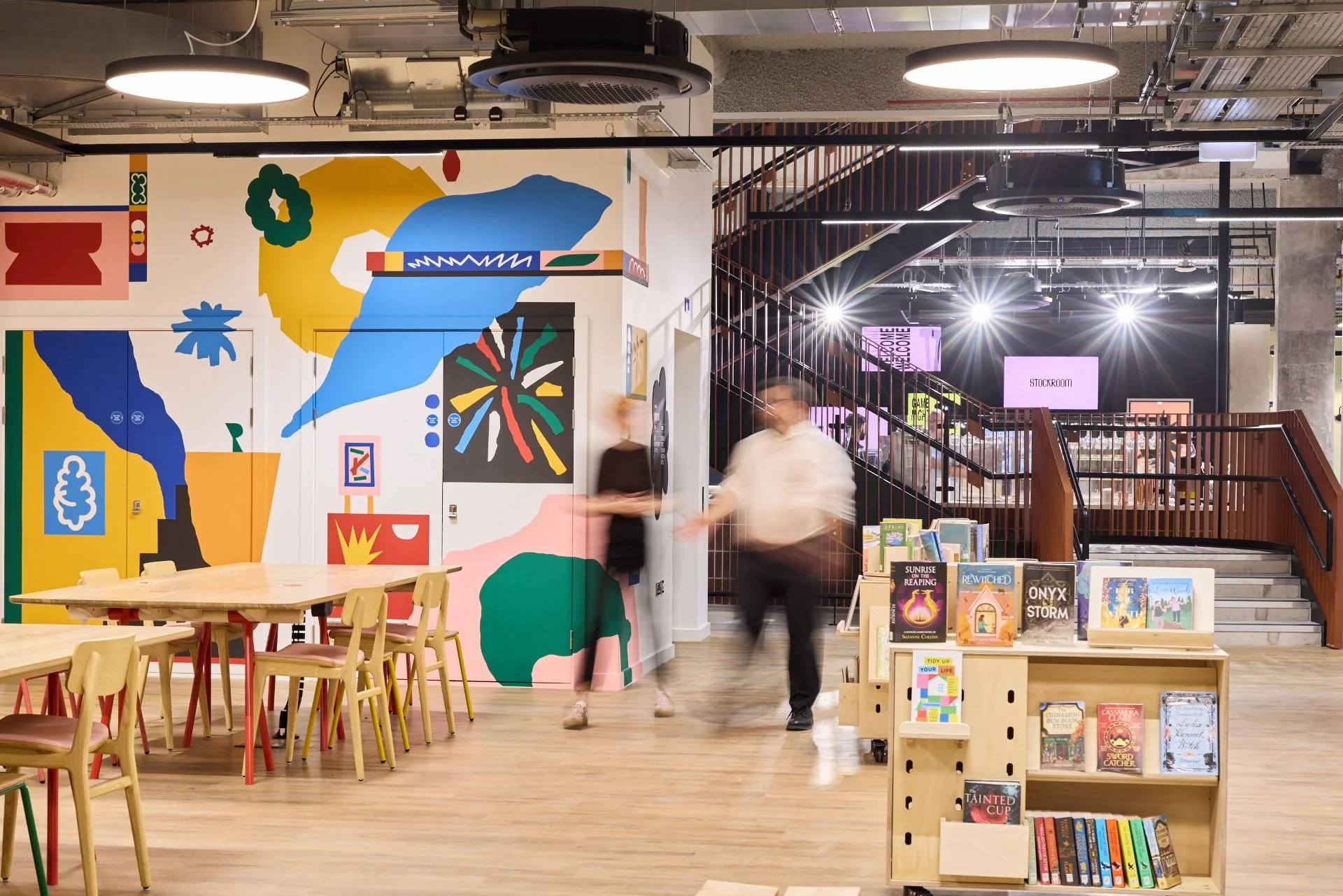
Customer-Led Design
Interior design that responds to operational, environmental, and cultural challenges, supporting ESG objectives, improving workplace experience, and creating spaces that perform better for the people who use them.
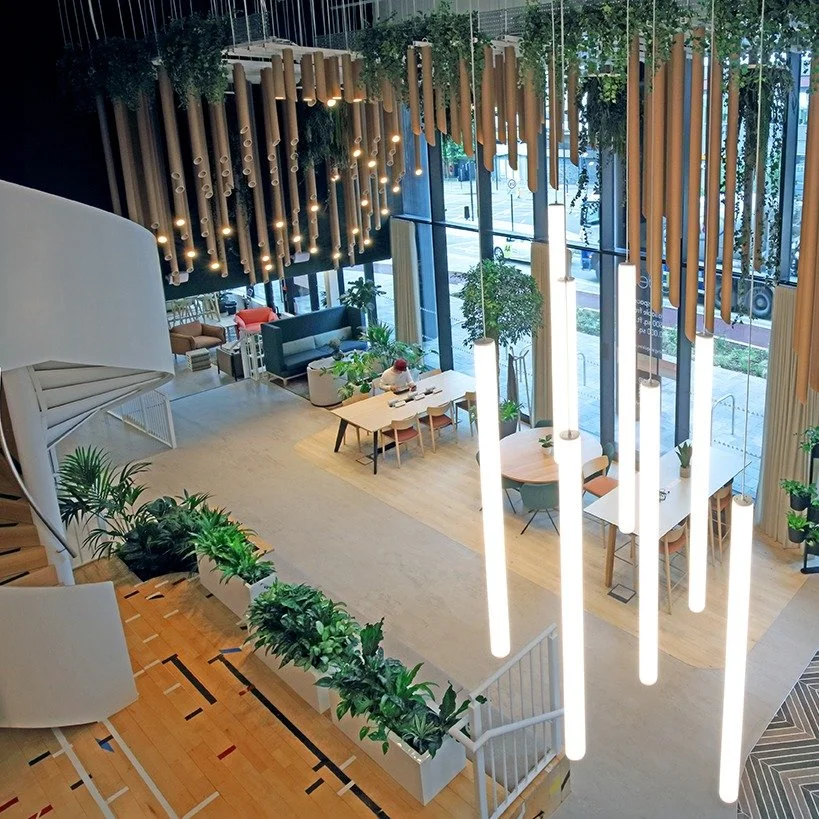
Sustainability Through Process
Environmental impact is reduced through circular design decisions, including retaining existing elements, prioritising reuse, working with regional suppliers, and specifying materials for durability, flexibility, and long-term performance.
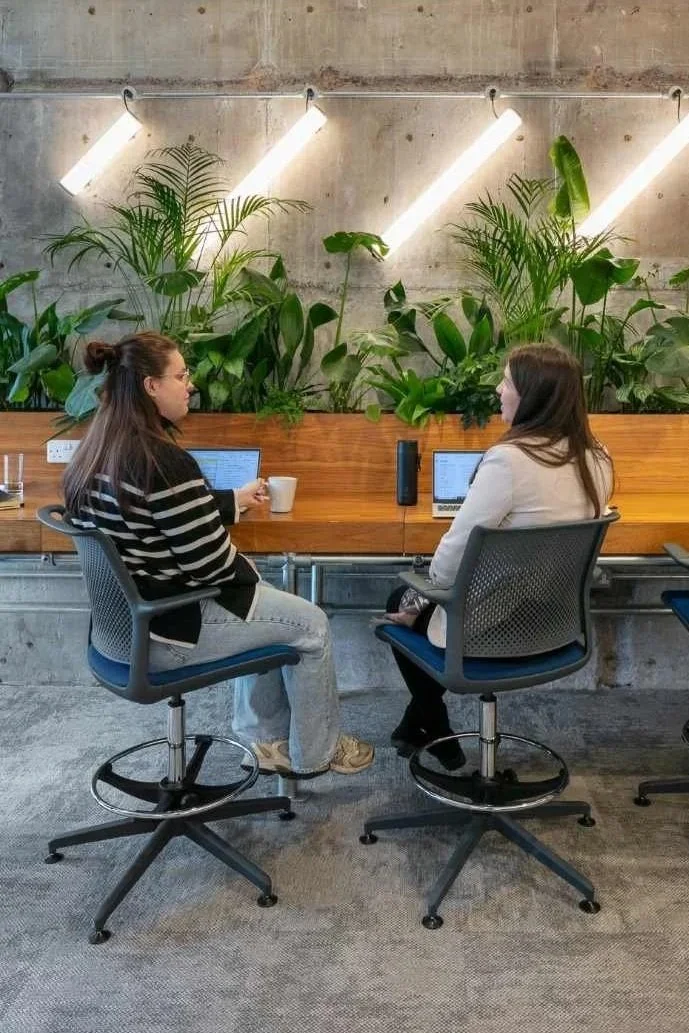
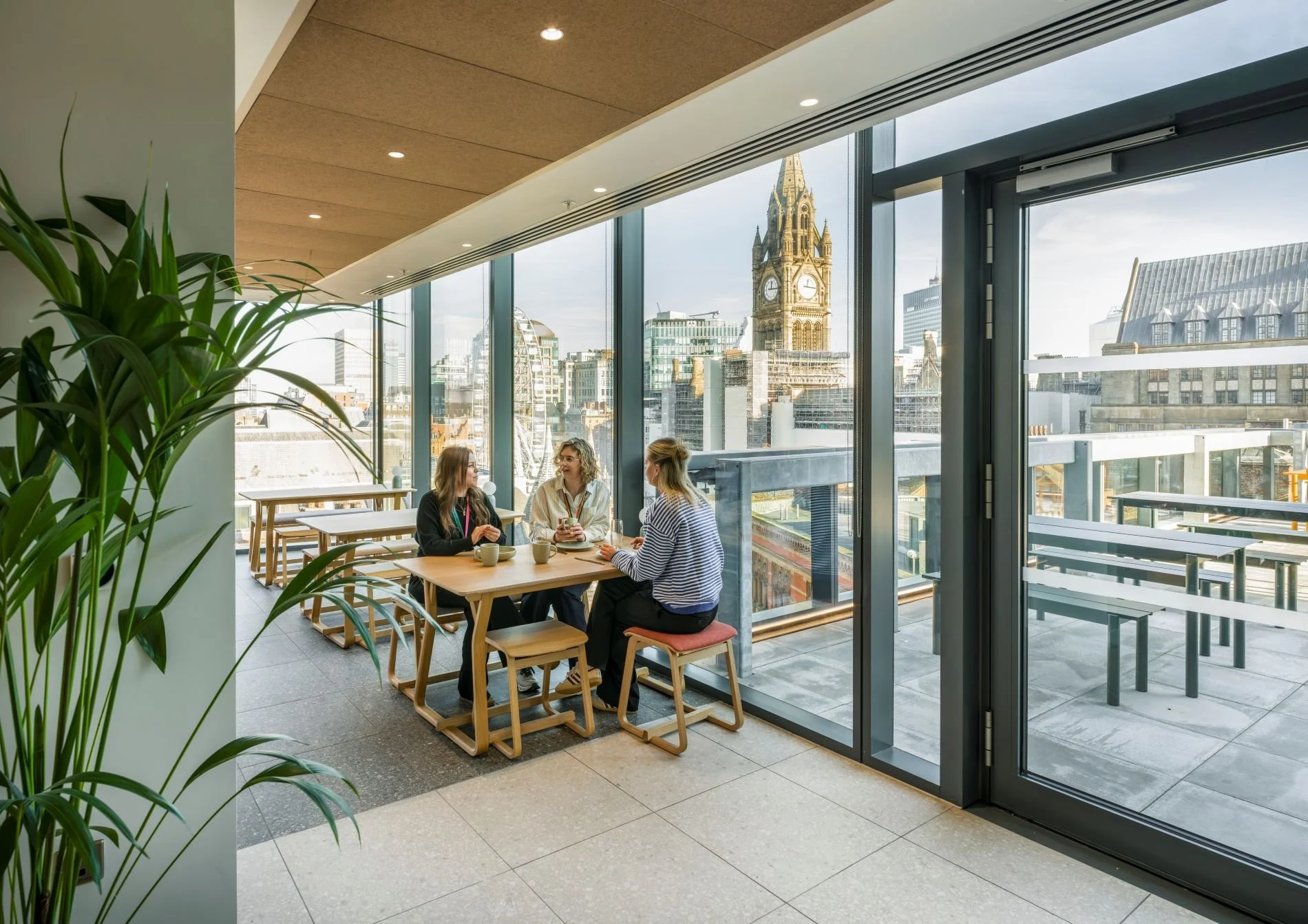
Inclusive & Community-Focused
Accessible and inclusive interiors shaped through clear layouts, flexible spaces, and biophilic elements, supporting wellbeing, usability, and community use, particularly in civic and public environments.
Designing for Impact Across Sectors
-
![Modern office space with a large wooden conference table, fabric chairs, a glass-walled meeting room, indoor plants, windows with curtains, and a ceiling with track lighting and ceiling panel design.]()
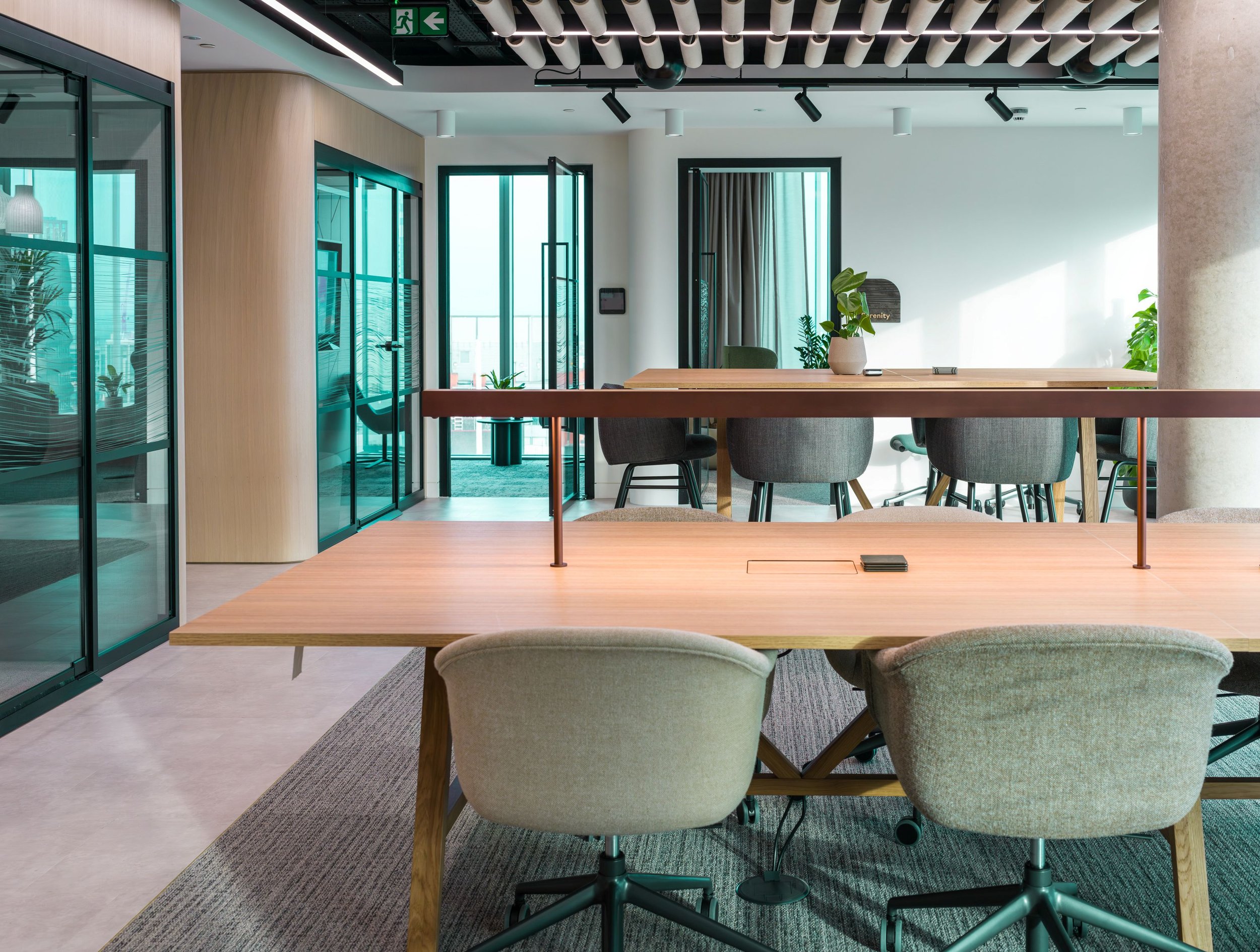
Workplace
Spaces that enable hybrid working, support wellbeing, and adapt as organisations change.
-
![Modern interior of a lounge or restaurant with exposed brick walls, a spiral staircase, and stylish lighting fixtures. There are round tables with orange chairs, a bar area with warm lighting, and green plants near large glass windows.]()
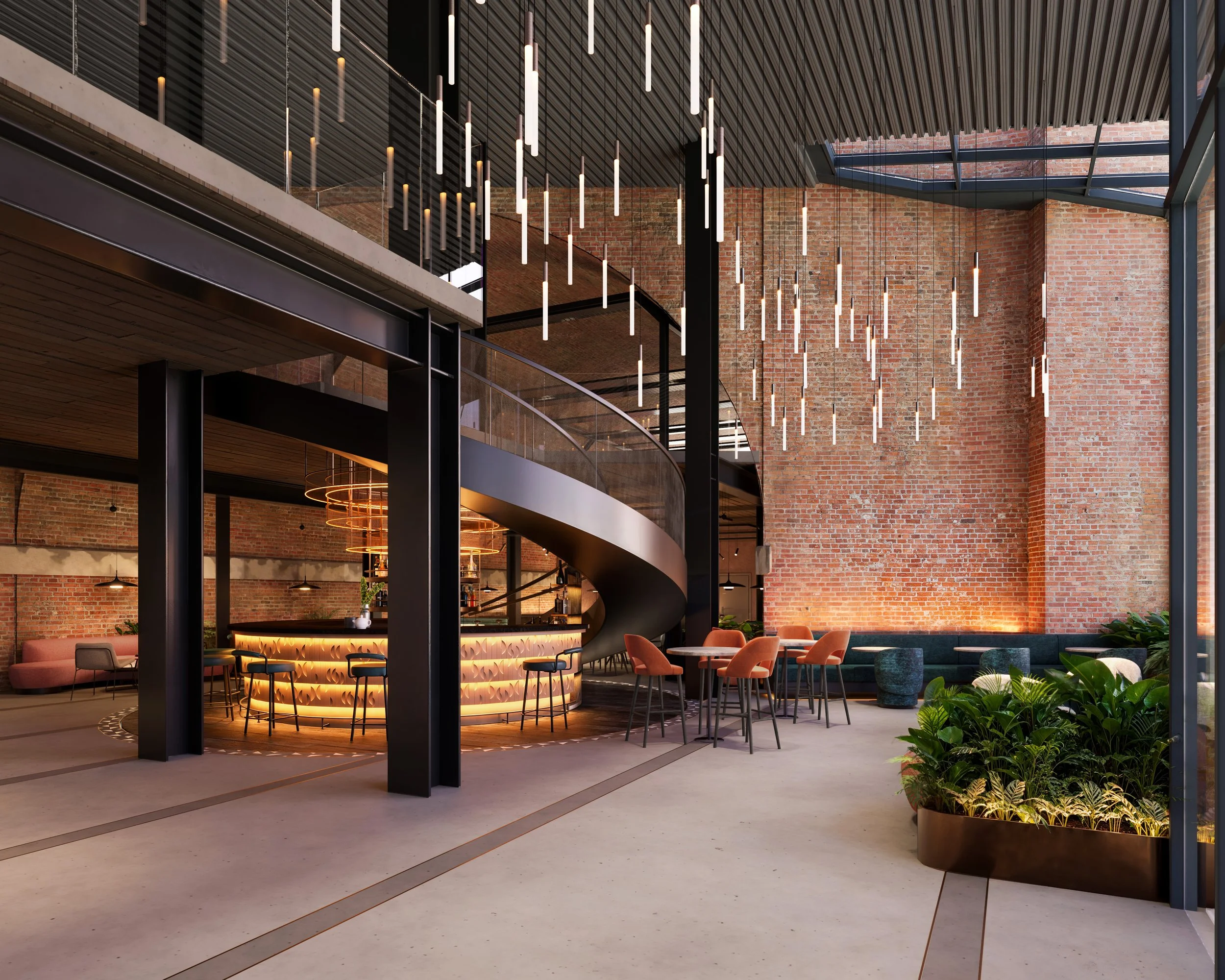
Hospitality
Immersive environments for guests and residents, balancing comfort, inclusivity, and social use.
-
![Interior of a modern sports stadium lounge with a bar area featuring hanging wine glasses, seating with plush chairs, large windows overlooking the empty stadium seats, and blue-purple ambient lighting.]()
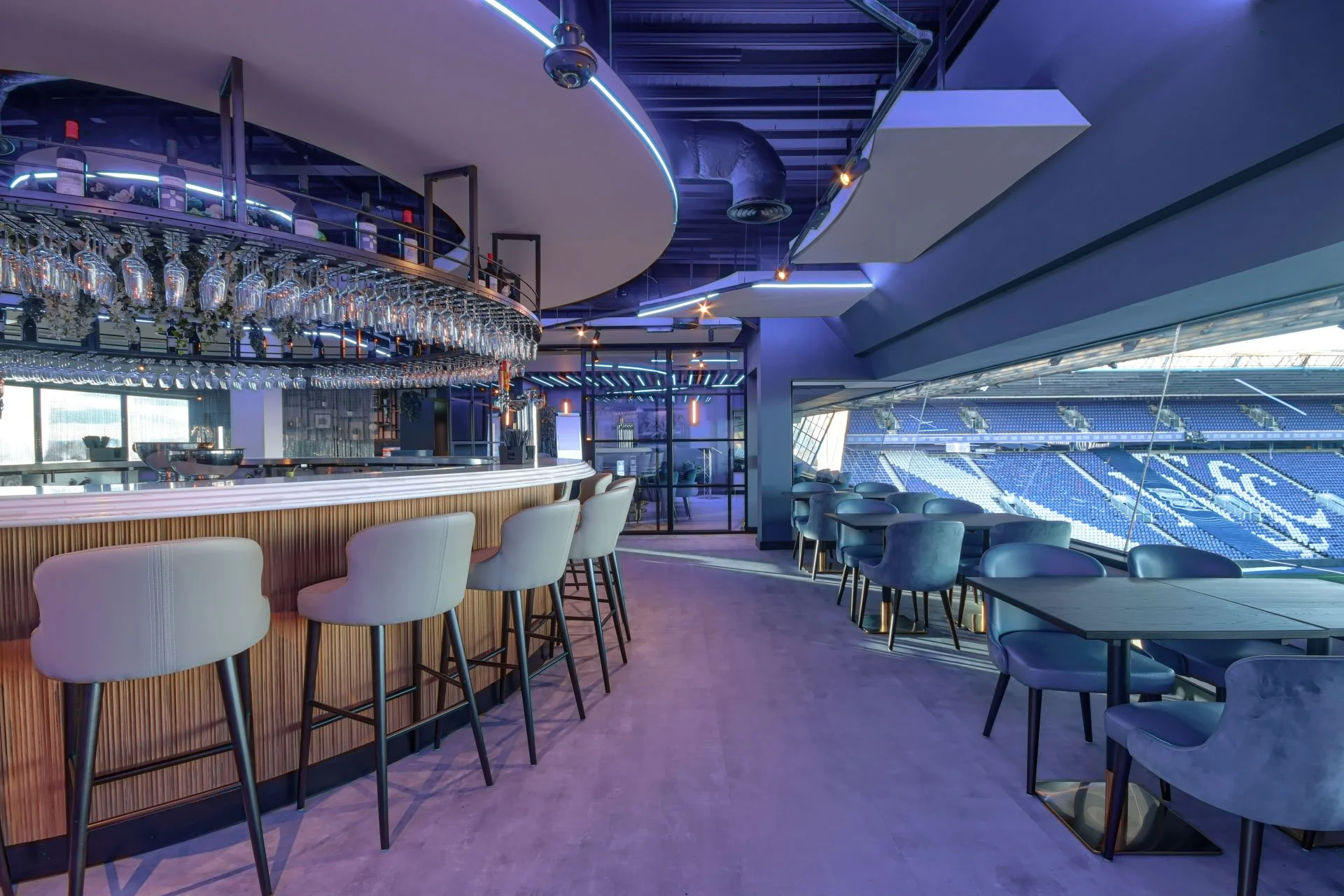
Stadia
Interiors that support fan comfort, emotional connection, flexible use, and hospitality-led environments.
-
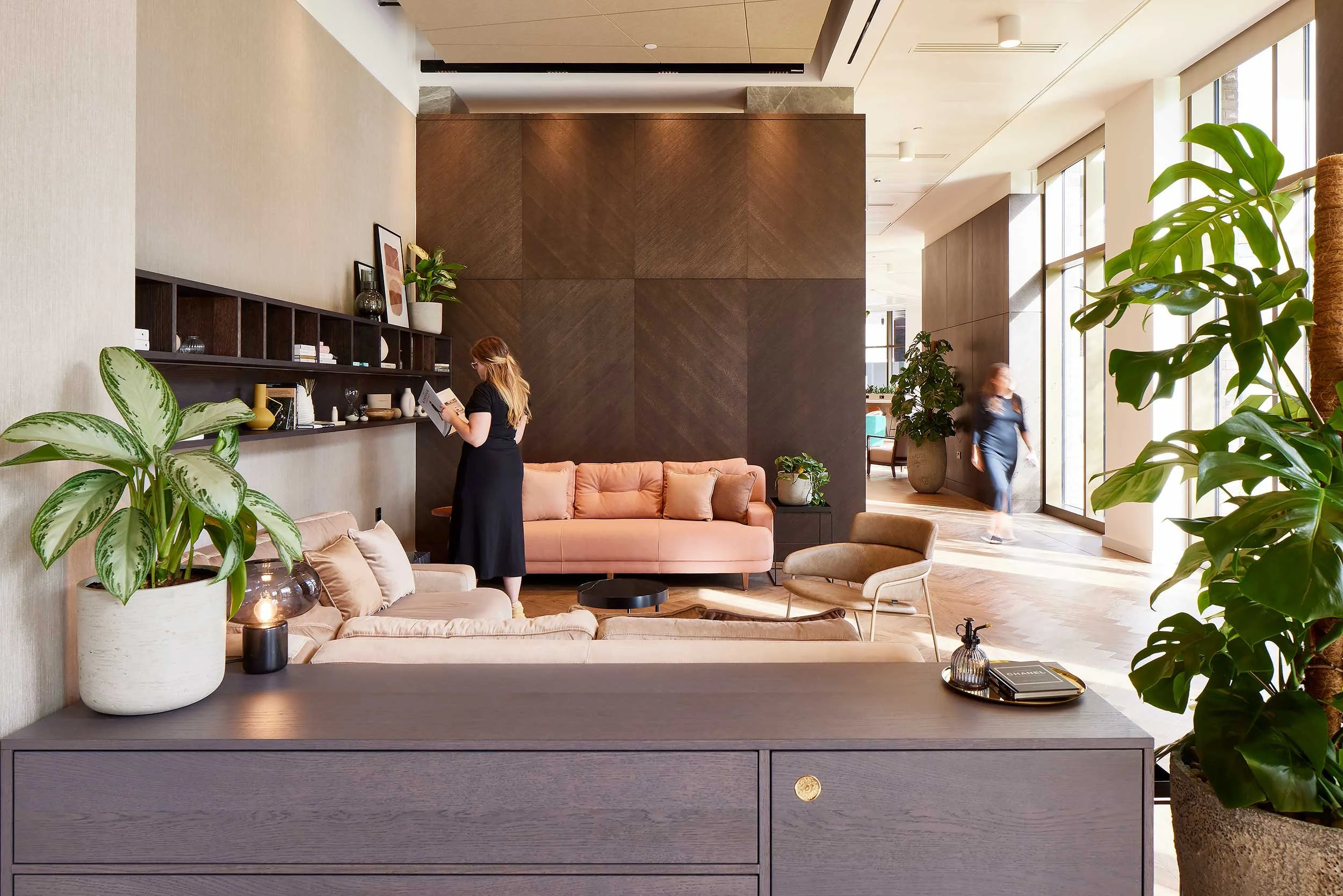
![Modern hotel lobby with a woman reading at a shelf, pink and beige sofas, and large windows with natural light.]()
Residential
Homes and shared living spaces centred on wellbeing, inclusivity, and long-term use.
-
![]()
Civic & Community
Public interiors that prioritise accessibility, flexibility, and shared use
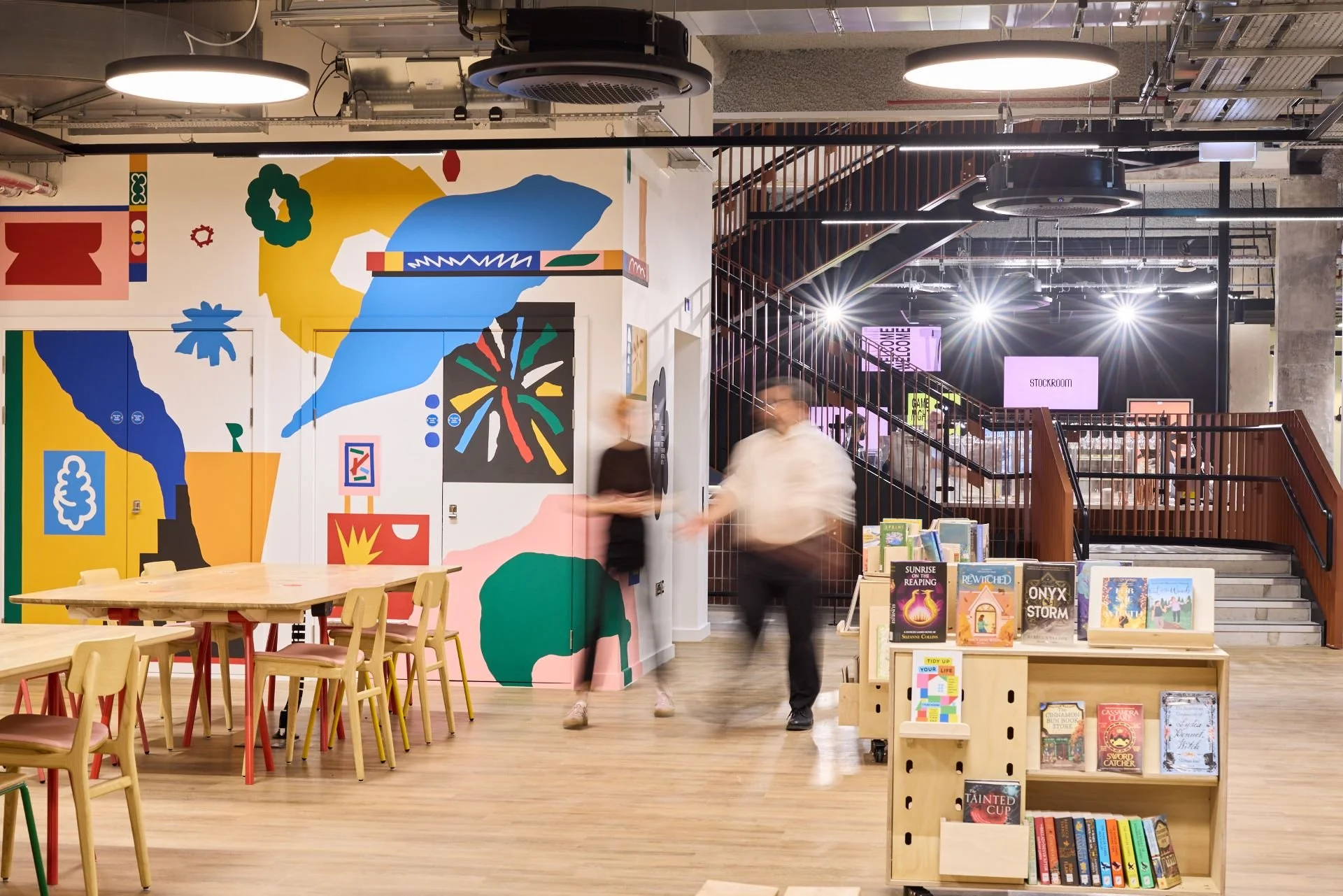
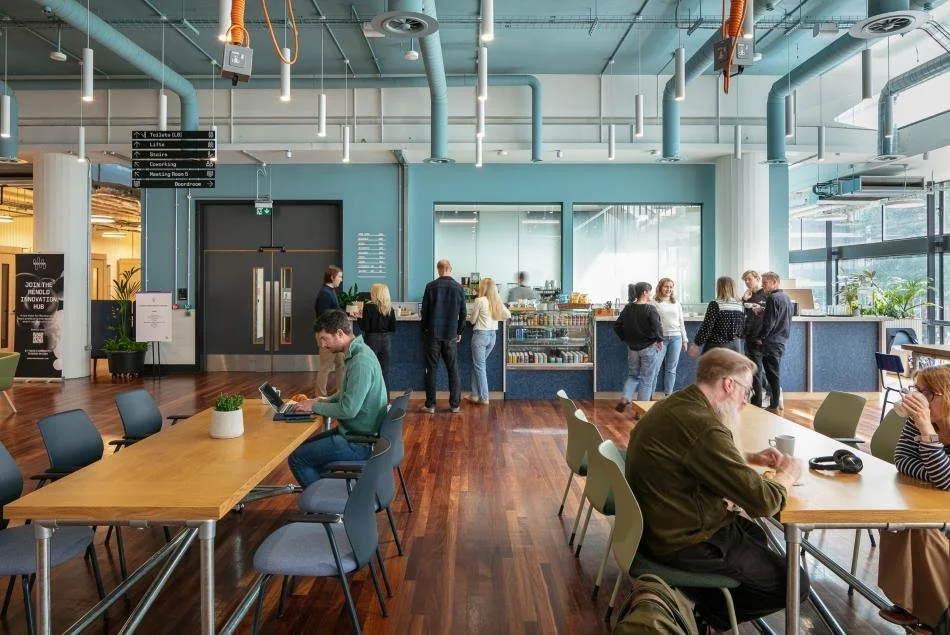
Impact in Action
A sustainable innovation hub supporting cross-disciplinary collaboration and low-carbon research. The interior approach retained key structural elements to reduce embodied carbon, introduced biophilic and inclusive features, and reactivated underused campus space for shared learning, work, and public use.
The Renold Building Manchester
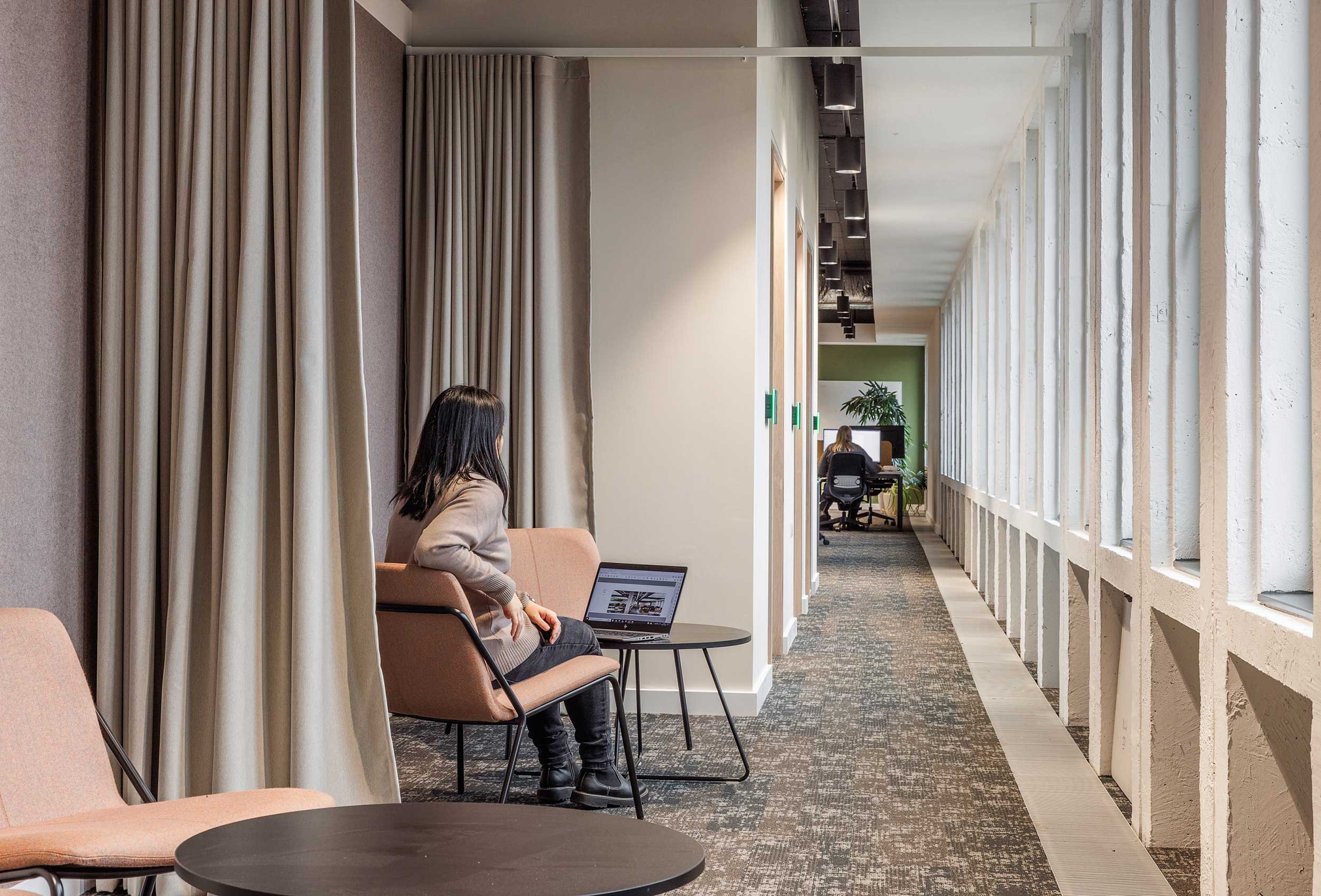
Awarded the Sustainable Design Collective’s Best Fit-Out, this civic retrofit supports hybrid working, low-carbon delivery, and inclusive public service. Our phased redesign reduced embodied carbon, uplifted the EPC rating, and enabled meaningful culture change, creating a civic HQ that’s open, flexible, and future-ready.
Stopford House, Stockport
Our Seven Point Plan
A framework for delivering low-impact, high-value interiors.
We apply these seven principles across our projects to reduce environmental impact, support people, and extend the life of existing interiors.

Regenerative Design
Retain and repair existing interior elements wherever possible. We prioritise reuse of original fabric, finishes, and fittings, adapting what’s already in place to reduce waste and embodied carbon.
Waste Diversion
Minimise material sent to landfill by repurposing demolition waste into new features, embedding sustainability directly into the fabric of the interior.
Re-use & Re-home
Source and re-use furniture, fixtures, and finishes from client estates extending material life and reducing the need for new manufacture.
Responsible Materials
Specify low-impact, traceable materials, bio-based, recycled, recyclable, or third-party certified, balancing performance, ethics, and longevity.
Biodiversity & Biophilia
Integrate nature into interior environments through planting and material choices that improve wellbeing, air quality, and the experience of space.
Future-Proofing
Design interiors that can change over time. Modular, flexible layouts support evolving needs and reduce reliance on short-term fit-outs.
Carbon & Consumption
Track carbon impacts where possible and reduce single-use materials, supporting lower embodied carbon and more responsible patterns of use.
Why B Corp Matters
Independent validation of the way we work.
In January 2026, SpaceInvader became a Certified B Corporation™, the first independently owned interior design practice in Manchester and the North West to achieve certification.
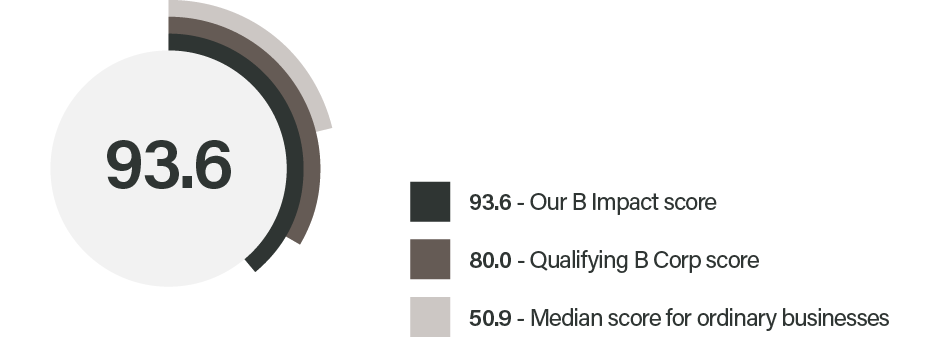
Certification required a rigorous, third-party assessment of our business across governance, workers, community, environment, and customers. We achieved a verified B Impact Score of 93.6, with particular strength in:
Customer impact: supporting client ESG and social value objectives through interior design
Environmental performance: applying circular principles, reducing waste, and lowering embodied carbon
Community value: delivering inclusive, accessible outcomes in public and civic environments
Governance and transparency: embedding accountability in decision-making and long-term business planning
B Corp is not a badge. It’s a framework that holds us to account helping us measure what matters, improve over time, and operate as a business that balances success with social and environmental responsibility.
Overall B Impact Score
Here is how our assessment score compares against the median score for ordinary businesses, and the score required for B Corp certification.