
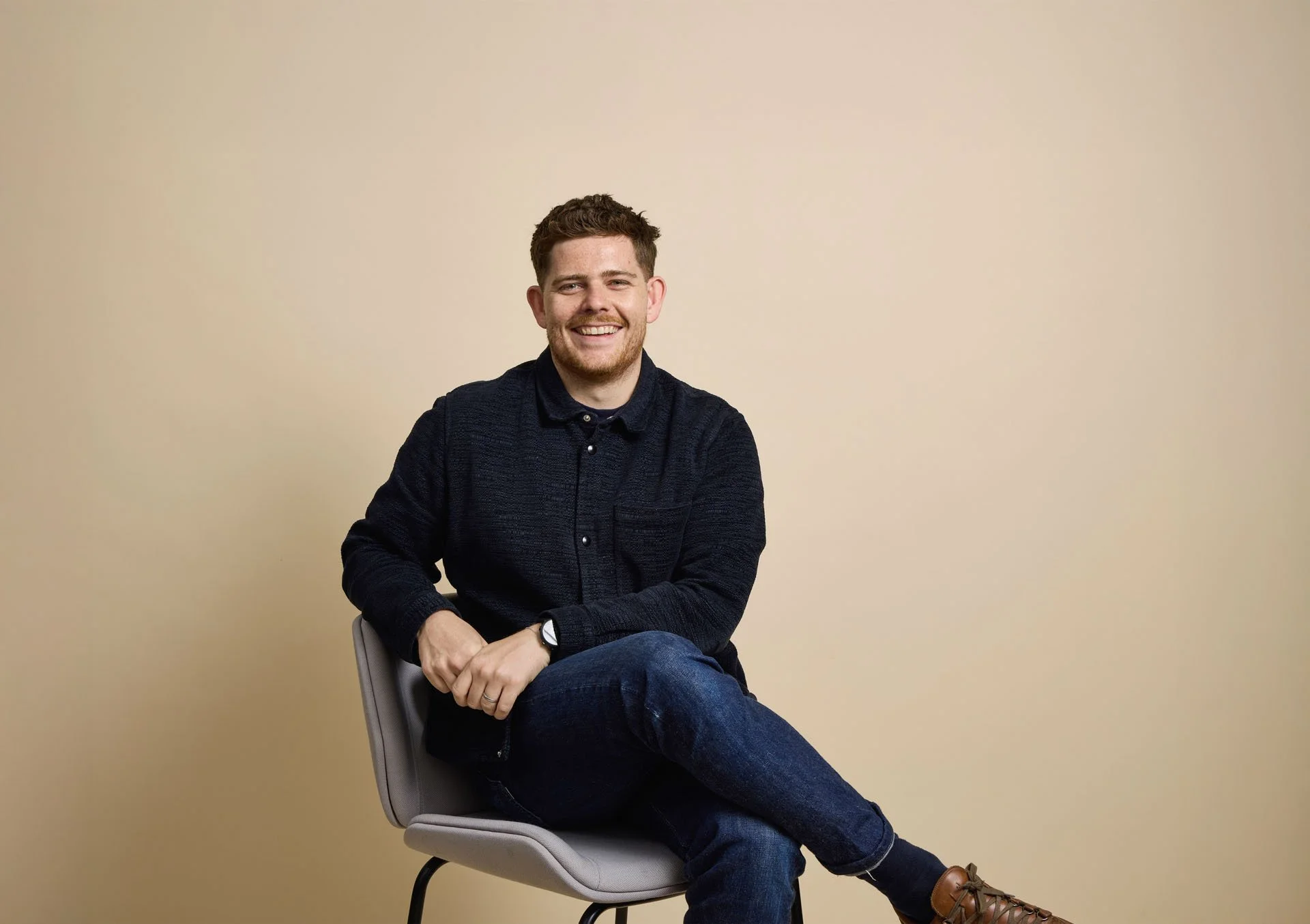
James Lait, Senior Interior Designer at SpaceInvader
Inclusive design is often framed as a standard to achieve, but insights from Material Source’s recent programme on Equity, Diversity, Inclusion and Belonging (EDIB) suggest a more complex reality. Bringing together perspectives from across the UK’s built environment sector, the “40 Views” series highlights a shared understanding that there is no one-size-fits-all approach to designing for people.
Across contributions from architects, designers, engineers and consultants, a consistent theme emerges: inclusion is not a checklist, but a mindset. It is shaped by curiosity, empathy and a willingness to understand how different people experience space in different ways. As one contributor describes, the goal is not simply to accommodate, but to create environments where people feel genuinely comfortable, seen and welcome.
James Lait, Senior Interior Designer at SpaceInvader, reflects this complexity in his contribution to the roundtable. He highlights the challenge of balancing diverse user needs within a single space, where lighting, acoustics, layout and levels of stimulation can all have very different effects depending on the individual. Designing inclusively, therefore, requires more than meeting baseline accessibility standards. It demands careful consideration of how environments support wellbeing, neurodiversity, accessibility and cultural inclusion, while still responding to client ambitions and operational requirements.
This perspective is echoed widely throughout the discussion. Many contributors point to the importance of moving beyond equality towards equity, recognising that providing the same solution for everyone does not necessarily result in inclusive outcomes. Instead, successful environments are those that offer choice, flexibility and adaptability, allowing people to engage with space in ways that suit their individual needs.
The conversation also reinforces the importance of early engagement. Inclusive outcomes are far more effective when they are embedded from the outset, shaped by dialogue with the people who will use the space. Listening to lived experience, challenging assumptions and maintaining that conversation throughout the design process are all critical to achieving meaningful results. As highlighted in the roundtable, post-occupancy feedback plays an equally important role, ensuring that spaces continue to evolve in response to real user experience.
Alongside functionality, the idea of belonging emerges as a defining factor. Beyond accessibility, there is a growing recognition that spaces must foster emotional connection and psychological safety. Whether in workplaces, civic buildings or hospitality environments, design has the power to signal who a space is for. When people feel represented, comfortable and able to be themselves, spaces become more engaging, more inclusive and ultimately more successful.
At SpaceInvader, this aligns closely with our approach to people-focused design. Inclusive environments are not defined by minimum standards, but by how well they respond to human experience. Internal workshops, collaborative processes and ongoing dialogue help challenge assumptions and broaden perspectives, particularly in areas such as neurodiversity and sensory design. The aim is to create spaces that are not only functional and aesthetically strong, but also intuitive, adaptable and welcoming to a wide range of users.
Material Source’s EDIB programme also highlights a broader industry shift. Much like sustainability 15 years ago, inclusive design is moving rapidly up the agenda for both designers and clients. While challenges remain, from budget constraints to shifting expectations, there is clear momentum towards embedding inclusivity as a fundamental part of the design process rather than an added layer.
Ultimately, the message is clear. Inclusive design is not about simplifying difference, but embracing it. By designing with empathy, engaging with diverse perspectives and prioritising real human needs, the built environment can move closer to creating spaces where everyone feels they belong.
Read the full “40 Views on EDIB” via Material Source →